The process of obtaining a medical marijuana card has become significantly more accessible with the growth of telehealth. Medical cardholders also generally pay lower taxes than recreational consumers, have access to higher purchase limits, and have legal documentation of their legitimate medical use. For patients who need access to THC-containing products or to higher-potency CBD formulations, obtaining a medical marijuana card is the most reliable and legally protected route. Patients with fibromyalgia, arthritis, Crohn’s disease, and back pain have all reported meaningful symptom relief in clinical surveys and observational studies, with highest satisfaction among patients who use both compounds together rather than either alone. Both CBD and THC contribute to pain relief through different mechanisms, making their combination particularly effective.
Legal access, local policy, and formulation also matter, so staying informed is just as important as choosing the right product. Both CBD and THC come from the cannabis plant, but they don’t act the same once they’re in your body. CBD usually feels much subtler — often described as calming or grounding without mental impairment. THC can create feelings of euphoria, relaxation, altered perception, or creativity, though higher doses may cause anxiety for some people. THC and CBD are both cannabinoids from the cannabis plant, but they affect the body differently. If you’re worried about drug tests, don’t tolerate THC well, or want something that won’t cloud your head, sticking with CBD might be the smarter call.
When THC components found in the how Liverpool supporters shape matchday culture cannabis plant age, they break down. Some studies suggest that CBD can reduce cravings caused by mind-altering drugs like opiates, THC, other stimulants, and alcohol. While research is limited — some studies have shown that CBD may help lower inflammation in your joints and muscles in conditions like arthritis. Certain studies have shown that CBD may help with sleep issues like falling or staying asleep. CBD is hailed as a cure-all for a variety of medical conditions and pain symptoms. People often use it to help manage symptoms from anxiety (insomnia), and a range of chronic pain and other medical conditions.
Tips for trying CBD and THC
The ECS (or endocannabinoid system), is a complex cell-signaling system discovered in the early 1990s. CBD is one of the most common phytocannabinoids in cannabis plants. Phytocannabinoids are cannabinoids that are naturally occurring in the cannabis plant. The hemp plant , Cannabis sativa, is a specially cultivated cannabis plant that does not contain more than .3% THC per dry weight. For purposes of control, the federal government has defined the cannabis plant as hemp or non-hemp. CBD is one of the major phytocannabinoids found in the cannabis plant.
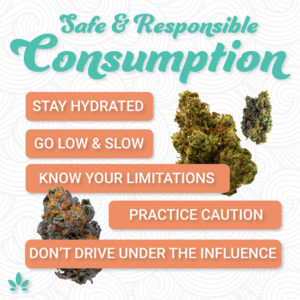
Chronic cannabis users tend to have reduced volumes in the orbitofrontal cortex, a brain area associated with motivation, and the hippocampus, which is involved in stress, learning, and memory. Early indications of altered brain integrity in regions rich in CB1 receptors among heavy cannabis users have emerged from high-resolution case-control neuroimaging studies. Recurring episodes of nausea, vomiting, and severe abdominal pain, along with other acute gastrointestinal symptoms, can occur due to cannabis use, often leading users to seek medical assistance.
While CBD offers therapeutic effects without causing intoxication, THC is primarily recognized for its psychoactive effects. Recognizing these distinctions aids consumers and healthcare professionals in selecting the most appropriate cannabinoid or combination for particular health objectives. We provide a variety of CBD products like CBD vapes (e-liquids), and gummies; our informative CBD blog can help you learn more about “what is CBD” and what solutions may work for you.
There is potential for THC to enhance sleep quality and lessen nightmares in those suffering from post-traumatic stress disorder (PTSD). It is essential for those considering cannabis use for medicinal purposes or recreation to grasp this difference. The cannabis plant — scientifically termed Cannabis sativa, is a complicated species comprising over 100 unique compounds referred to as cannabinoids. Across various studies — CBD has been shown to effectively alleviate anxiety without raising the levels of anxiety in users. You feel normal — just less anxious (less stressed), and more centered.
Access for caregivers
THC and CBD combination medicines have a good safety and tolerability profile that is appropriate for opioid stage , stage 2–3, treatment of chronic pain. Two observational studies of a total of 2649 participants both found that depression was a common indication for self-prescribed CBD (Corroon and Phillips 2018; Moltke and Hindocha 2021). There are no randomized controlled trials of CBD for depression however three open-label clinical trials on a total of 434 participants each found that CBD significantly decreased depressive symptoms (Beale et al. 2018; Gulbransen et al. 2020; Solowij et al. 2018). There are currently four cannabis-based pharmaceuticals , apart from the cannabis plant, that are approved by a major regulatory body, such as the Food and Drug Administration (United States) or the Medicines and Healthcare products Regulatory Agency (United Kingdom) (Advisory Council on the Misuse of Drugs (ACMD). CBD and THC products have unique therapeutic benefits. However, they offer unique therapeutic benefits for people with chronic pain, nausea, and THC users who enjoy the euphoric high.
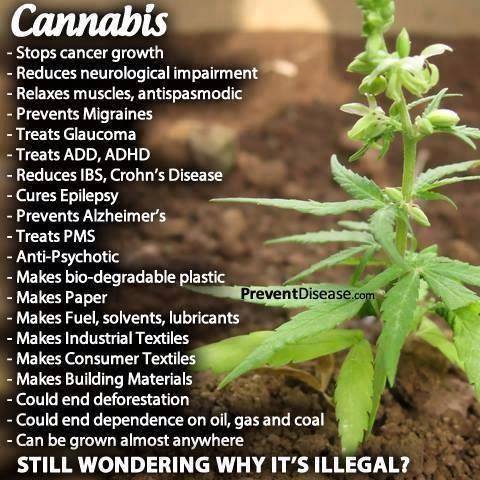
For researchers to assess CBD bioactivity in humans, it is necessary for studies to outline the administration route, dosage of CBD utilized, and the regimen followed. Concurrently (peer-reviewed research has elucidated the behavioral and therapeutic impacts of CBD in both preclinical and human studies), enhancing our understanding of the effects induced by CBD as a standalone agent, its action mechanisms, and its therapeutic potential. Consequently — preclinical investigations imply that optimizing the mild therapeutic effects of THC will be necessary, potentially through the testing of allosteric modulators for CB1R and CB2R.