Education in Vanuatu: Challenges and Opportunities
Education plays a vital role in the development of any nation. In Vanuatu, a beautiful archipelago in the South Pacific, the education system reflects both the rich cultural heritage and the multifaceted challenges that the country faces. As a nation comprised of over 80 islands, Vanuatu’s education framework aims to provide access to learning for all citizens, yet it grapples with various limitations. In exploring the intricacies of Vanuatu’s educational landscape, one can gain insight into the prospects for growth and the opportunities that lie ahead. For more information about educational initiatives, visit vanuatu education opedvanuatu.org/.
Overview of the Education System in Vanuatu
The Vanuatu education system is primarily structured around a 6-3-3 model, which includes six years of primary education, three years of secondary education, and an optional three years of senior secondary education. The Department of Education oversees the curriculum and standards, which are designed to integrate local culture and languages. The primary medium of instruction is Bislama, alongside English and French, reflecting the country’s colonial history.
Primary Education
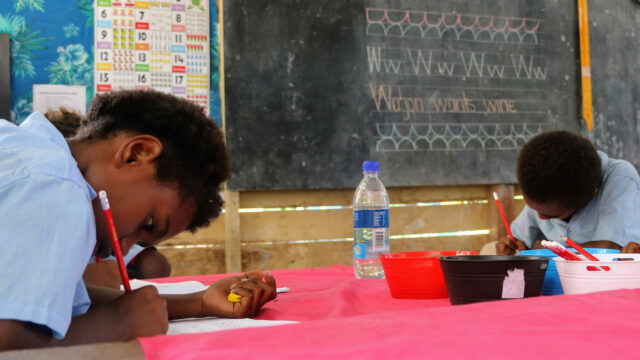
Primary education in Vanuatu is compulsory and typically starts for children at the age of six. The primary level focuses on foundational subjects such as mathematics, language arts, science, and social studies, complemented by local cultural teachings. Despite the compulsory nature of primary education, attendance rates can be inconsistent due to logistical challenges, such as long distances to schools in rural areas.
Secondary Education
Following primary education, students have the option to continue to secondary school, though enrollment drops significantly. Secondary education is critical as it prepares students for vocational training or higher education. Challenges include inadequate infrastructure, insufficient resources, and a lack of trained teachers, which hinder skill development and limit opportunities for advancement.
Challenges Facing Education in Vanuatu
The education system in Vanuatu faces several pressing challenges, which include:
- Access and Equity: Geographic isolation on many islands leads to disparities in access to schools. Rural communities often struggle with transportation and safety issues that deter students from attending.
- Quality of Education: Many schools lack proper facilities, learning materials, and trained staff. This deficiency significantly impacts the quality of education students receive, potentially leading to lower literacy and numeracy rates.
- Funding Constraints: The education sector is often underfunded, limiting the ability to expand programs or improve infrastructure. This scarcity of resources affects both the physical school environment and the instructional materials available to teachers.
- Cultural Relevance: While the curriculum aims to integrate local languages and cultural content, there remains a gap in culturally relevant teaching methods that engage students effectively.
Opportunities for Improvement
Despite these challenges, there are numerous opportunities for enhancing education in Vanuatu:

- Investment in Infrastructure: Increased funding for school facilities, including classrooms and libraries, can create a more conducive learning environment.
- Teacher Training Programs: Developing specialized training for teachers can improve the quality of instruction and ensure educators are equipped with modern pedagogical practices.
- Community Engagement: Involving local communities in decision-making and school governance can lead to more culturally relevant curricula and greater support for educational initiatives.
- Collaboration with NGOs and International Partners: Partnerships with non-governmental organizations and international bodies can provide much-needed resources and expertise to enhance educational offerings.
The Role of Technology in Education
Technology has the potential to revolutionize education in Vanuatu. Although access to the internet and digital tools remains an issue in rural areas, initiatives aimed at integrating technology into the classroom can foster new learning opportunities. E-learning platforms, educational apps, and online resources can supplement traditional teaching methods and increase student engagement.

Conclusion
The education system in Vanuatu is at a crossroads, facing challenges that require urgent attention but equally endowed with opportunities for regeneration and improvement. By focusing on accessibility, quality, and community engagement, the nation can foster a generation of learners equipped with the skills necessary to contribute to their communities and the wider world. Continued advocacy for educational reform, supported by both local and international stakeholders, will play a crucial role in shaping the future of education in this beautiful archipelago.